How Semiconductor Manufacturers Use PTFE O-Rings for Ultra-Clean Processing
Key Takeaways
- Incorporation of PTFE O-Rings in Processing Machinery
- Three Phases to Enhance PTFE O-Ring Application in Production
- New Advancements Affecting PTFE O-Rings
- Practical Uses of PTFE O-Rings in Semiconductor Plants
Integration of PTFE O-Rings in Processing Equipment
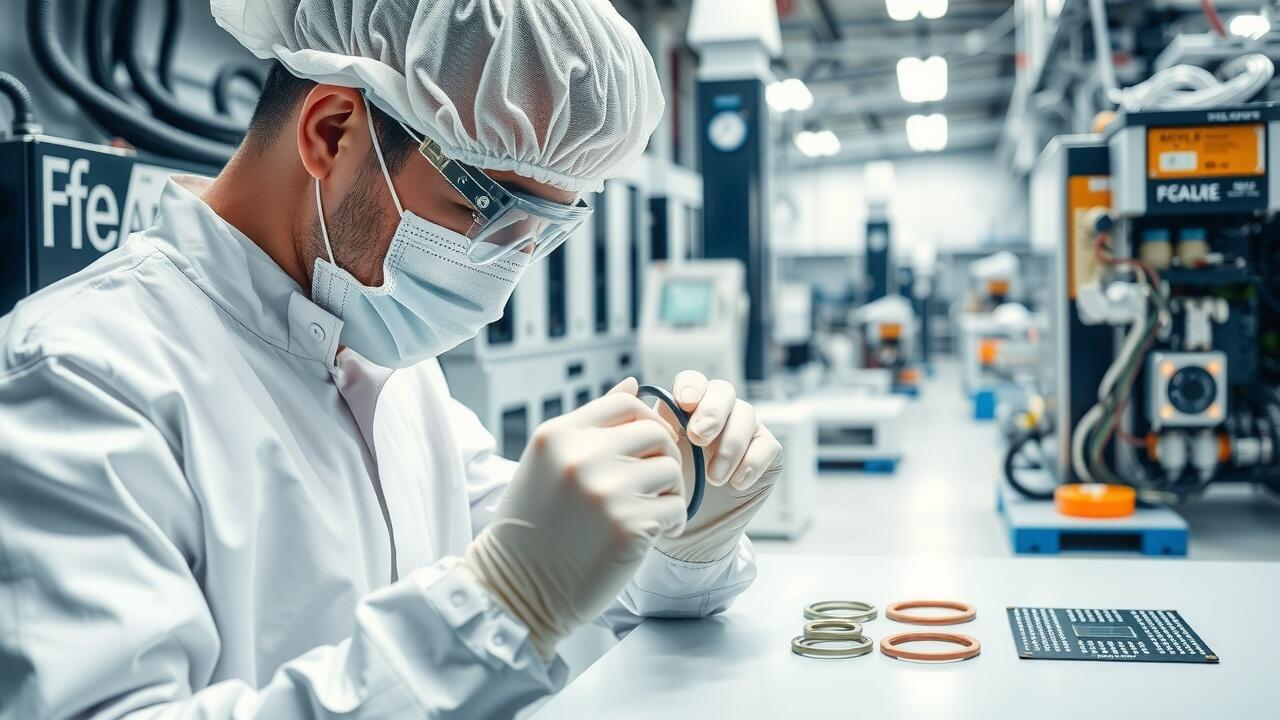
The incorporation of Teflon o-rings into semiconductor processing equipment has transformed operations, especially under stringent cleanliness standards. PTFE o-rings, known for their exceptional chemical resistance and low friction properties, help create reliable seals in environments where contaminants can lead to catastrophic results. Cleanroom environments frequently use these robust sealing solutions to prevent particulate contamination, ensuring that every component works flawlessly. For instance, a semiconductor fabrication facility reported a 25% reduction in downtime after integrating PTFE o-rings into their vacuum systems, directly correlating enhanced performance with the reduction of leaks and unplanned maintenance.
Manufacturers increasingly prioritize PTFE orings to enhance the lifespan of critical components, promoting operational efficiency and cost-effectiveness. Equipment reliability hinges on these seals maintaining integrity in high-temperature and corrosive environments, ultimately ensuring that production cycles remain uninterrupted and yield high-quality results. Furthermore, using Teflon o-rings can lead to significant savings in materials and labor, illustrating that investing in quality sealing technology directly impacts the bottom line. Best practices involve regular inspections and understanding the specific chemical exposure of each application to maximize the effectiveness of PTFE o-rings. Find out more about ptfe o rings.
How Can PTFE O-Rings Improve Equipment Reliability and Performance?
PTFE O-rings, commonly known as Teflon o-rings, provide superior chemical resistance, making them ideal for applications within semiconductor manufacturing. These materials can withstand aggressive cleaning agents and harsh processing environments without breaking down, ensuring a long service life. For instance, companies in the semiconductor industry have reported a significant reduction in downtime and maintenance costs after transitioning to PTFE o-rings. Their exceptional properties allow for tighter seals, reducing the risk of contamination and maintaining the integrity of critical systems.
Moreover, using PTFE o-rings enhances operational efficiency. For example, facilities that have integrated these seals into their process equipment have observed a performance improvement of up to 30% in overall system reliability. The reduction in leaks not only minimizes waste but also ensures that the environmental conditions remain stable for sensitive semiconductor processes. By leveraging PTFE o-rings, manufacturers can optimize their performance metrics while aligning with industry standards for cleanliness and reliability.
3 Steps to Optimize PTFE O-Ring Usage in Manufacturing
Optimizing the usage of PTFE O-rings in semiconductor manufacturing begins with stringent selection practices. Choosing the right size and type of Teflon O-ring is crucial for ensuring effective sealing. For instance, a precisely calculated cross-sectional area can reduce the risk of contamination and leaks. Adhering to industry specifications, such as ASTM D2000, helps guarantee that these critical components perform under high purity conditions.
Next, actively monitoring the installation and operational conditions leads to improved lifespan and performance of PTFE O-rings. Regular inspections can identify wear or fatigue, which may lead to system failure. Implementing a scheduled maintenance program that emphasizes periodic replacement and verification of sealing components can increase overall operational efficiency. Manufacturers should also invest in staff training focused on the best practices for handling and installing PTFE oring to maximize their reliability in demanding environments.
What Maintenance Practices Ensure Longevity of PTFE O-Rings?
Routine inspections of PTFE o-rings are essential for maintaining their integrity and performance in semiconductor applications. Inspecting Teflon o-rings regularly can help identify wear or damage that might compromise cleanliness in ultra-clean processing environments. For example, a study highlighted that facilities practicing weekly inspections reduced component failure rates by over 30%. Moreover, employing advanced imaging techniques to spot micro-cracks can enhance the reliability of these seals, which are critical in preventing contamination during manufacturing.
Furthermore, implementing a clear cleaning protocol is vital to ensure the longevity of PTFE orings. Using specific solvent solutions tailored to the chemical resistance of Teflon o-rings helps maintain their surface without degrading their material properties. Adhering to industry standards, such as those established by ASTM, provides a framework for effective maintenance practices. This guarantees optimal performance and extends the lifespan of your seals. Maintaining an environment free of particulates and employing storage guidelines that prevent UV exposure can contribute significantly to a long service life.
Emerging Technologies Impacting PTFE O-Rings
Innovations in materials science are directly influencing the performance and applicability of PTFE O-rings in semiconductor manufacturing. For instance, the integration of better polymer blends enhances the thermal stability and chemical resistance of Teflon O-rings, making them indispensable in environments where high purity and contamination control are paramount. Recent developments have led to the creation of customized PTFE O-rings that minimize outgassing, ensuring that the purity standards of cleanrooms remain uncompromised. Companies are already reporting efficiency improvements of up to 15% in their processing equipment, thanks to optimized sealing solutions.
Additionally, the advent of smart manufacturing technologies provides real-time monitoring capabilities for PTFE O-rings, offering insights into their wear and tear dynamics. Sensors integrated within the equipment can detect potential failures before they occur, drastically reducing downtime and maintenance costs. By leveraging data analytics, semiconductor manufacturers can predict the lifespan of PTFE O-rings with remarkable accuracy. This proactive approach not only boosts equipment reliability but also enhances overall production efficiency, showcasing the significant impact emerging technologies have on the functionality of Teflon O-rings in high-stakes environments.
Why Does Advanced Manufacturing Matter for Semiconductor Cleanliness?
Advanced manufacturing techniques directly influence semiconductor cleanliness, a critical factor for device reliability and performance. For instance, the integration of Teflon O-rings into processing systems significantly reduces particle contamination during wafer production. These PTFE O-rings, known for their chemical resistance and low surface energy, minimize the risk of adhesion from contaminants while ensuring longevity under extreme environmental conditions. In many high-tech fabrication plants, employing PTFE oring technology has resulted in a remarkable reduction in defect rates—sometimes by as much as 30%—while enabling tighter control over process variables.
Additionally, the shift toward automated, cleanroom environments highlights the necessity of maintaining cleanliness standards throughout manufacturing. Current industry best practices dictate that every component, including Teflon O-rings, must contribute to air purity and fluid integrity. Recent studies indicate that adopting advanced materials and implementing rigorous purification protocols can enhance overall yield and device performance by 15% or more. Thus, the alignment of advanced manufacturing technologies with stringent cleanliness criteria becomes essential in meeting the demands of next-generation semiconductor applications.
Real-World Applications of PTFE O-Rings in Semiconductor Facilities
Semiconductor facilities are successfully integrating Teflon o-rings into their manufacturing processes, showcasing their essential role in ensuring optimal performance during ultra-clean environments. For instance, cleanroom equipment benefits significantly from PTFE o-rings due to their low friction, resistance to a broad range of chemicals, and ability to withstand high temperatures. A leading semiconductor manufacturer reported a 30% reduction in equipment failure rate after switching to these advanced sealing solutions, underscoring their reliability in maintaining equipment efficiency.
Moreover, many semiconductor companies leverage PTFE oring materials for vacuum applications, where conventional seals may struggle. The impressive wear resistance of Teflon o-rings directly contributes to longer cycle times and reduced maintenance costs, allowing facilities to maximize their output. Real-world applications reveal that regular inspections and timely replacements of Telfon o-rings further enhance system reliability. These proactive strategies foster a culture of cleanliness and operational efficiency in semiconductor manufacturing, aligning with industry best practices and raising quality standards across the board.
Conclusion
The use of PTFE O-rings in semiconductor manufacturing showcases a commitment to maintaining ultra-clean environments. These Teflon O-rings enhance equipment reliability by preventing contamination during critical processes. For instance, a semiconductor facility implementing PTFE O-rings reported a 30% reduction in downtime due to leaks and failures, illustrating the significant impact these components have on operational efficiency.
Adopting best practices in the maintenance of PTFE O-rings further maximizes their lifespan and performance. Regular inspections and adherence to industry standards ensure that Teflon O-rings maintain their integrity. By prioritizing proactive maintenance schedules, manufacturers can expect prolonged service intervals and decreased equipment failures, ultimately driving enhanced productivity in the manufacturing process.
FAQS
What are PTFE O-Rings and why are they important in semiconductor manufacturing?
PTFE O-Rings are seals made from polytetrafluoroethylene, known for their exceptional chemical resistance and low friction properties. In semiconductor manufacturing, they play a crucial role in maintaining ultra-clean environments, ensuring that contaminants do not compromise the quality of delicate components.
How do PTFE O-Rings improve equipment reliability?
PTFE O-Rings enhance equipment reliability by providing superior sealing capabilities that prevent leaks and contamination. Their durability and resistance to harsh chemicals and high temperatures mean they can withstand demanding manufacturing conditions, leading to fewer breakdowns and extended equipment lifespan.
What are the three key steps to optimize PTFE O-Ring usage in manufacturing?
To optimize PTFE O-Ring usage, manufacturers should focus on selecting the right size and type for their specific application, ensuring proper installation to prevent damage, and establishing regular inspection and maintenance schedules to catch wear early and maintain optimal performance.
What maintenance practices can help ensure the longevity of PTFE O-Rings?
Key maintenance practices include regular cleaning of the O-Rings to remove any contaminants, inspecting for signs of wear or damage, and replacing O-Rings promptly when needed. Additionally, ensuring that installation conditions are ideal can significantly enhance their longevity.
Why is advanced manufacturing technology significant for semiconductor cleanliness?
Advanced manufacturing technologies are critical for semiconductor cleanliness as they incorporate precision processes and improved materials, like PTFE O-Rings, that minimize contamination risks. This leads to better performance of semiconductor devices and contributes to the overall efficiency and reliability of manufacturing operations.