3-Wire vs. 4-Wire RTDs: Which Configuration Improves Temperature Accuracy Most?
5 Key Factors Influencing Temperature Accuracy
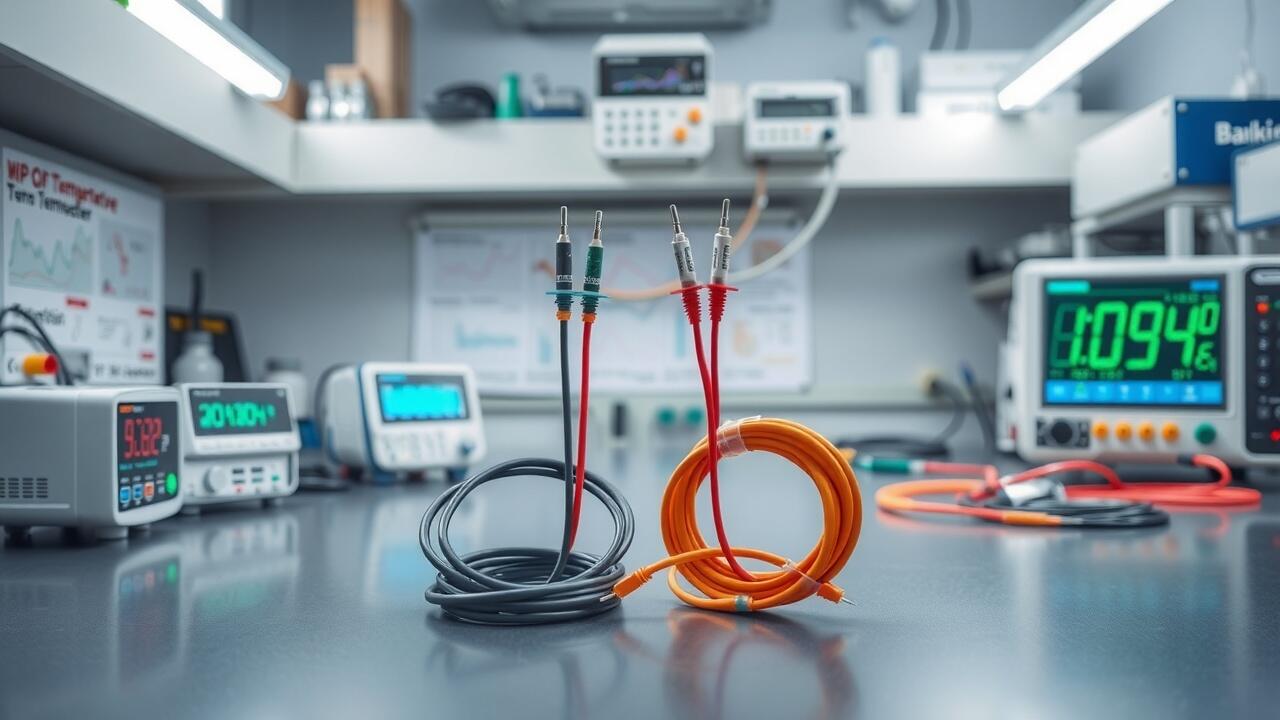
Temperature accuracy hinges on several key factors, each vital to the overall performance of temperature sensing devices like RTD probes. Firstly, the resistance measurement accuracy of the RTD itself greatly impacts results. For instance, a typical 100-ohm platinum RTD has a tolerance of ±0.1°C at 0°C, and any small deviations can lead to significant errors in temperature reporting. Secondly, the quality of the connection and wiring can introduce resistance, skewing readings. Using high-grade, properly calibrated connections minimizes these risks.
The environment also plays a crucial role. External temperature fluctuations or electromagnetic interference can distort signals from RTD thermocouples. Real-world applications often face challenges such as exposure to corrosive substances, moisture, or vibrations, which necessitate careful material selection. Innovations like improved insulation and protective housings can enhance durability and accuracy in such adverse conditions. Regular calibration stands as another component, ensuring that sensors remain accurate over time. Investing time in setting precise calibration intervals pays off with reliable readings, especially in critical processes like food safety or pharmaceuticals. Get details on rtdthermocouples.
How Can Calibration Improve Your RTD Performance?
Calibration plays a vital role in enhancing the performance of RTD probes. For instance, regular adjustments ensure that these devices measure temperature accurately over time, especially when environmental conditions fluctuate. A calibrated RTD can maintain a precision within ±0.1°C, allowing for reliable readings in sensitive applications like pharmaceuticals and food processing. For example, calibrating an RTD used in a temperature-controlled storage facility can prevent product spoilage by ensuring that temperature settings remain optimal.
When it comes to calibration techniques, following the guidelines from bodies like ASTM and ISO can significantly boost accuracy. Using reference standards to conduct calibrations ensures consistency across all RTD thermocouples in use. Implementing periodic checks every six months is a good recommendation to maintain data integrity. Furthermore, documenting calibration results not only helps in compliance but also aids in troubleshooting potential issues down the line. This systematic approach allows for adjustments based on real usage, ultimately enhancing the reliability and accuracy of temperature measurements in practical settings.
Why Choose 4-Wire RTDs for Precision Applications?
For applications requiring top-notch precision, 4-wire RTDs shine through their design, ensuring minimal error from lead resistance. When you connect rtd probes, each of the two wires supplying current is separate from the two wires measuring voltage drop. This setup essentially cancels out the resistance in the leads, enhancing accuracy significantly. A study showed that switching from a 3-wire to a 4-wire configuration reduced measurement error by up to 0.1°C in critical environments, like pharmaceutical manufacturing.
Industries that rely on precise temperature management, such as food processing or semiconductor fabrication, often see tangible benefits from using 4-wire RTDs. For instance, a semiconductor company found that implementing these configurations improved their temperature control system, leading to a 15% increase in product yield. By employing 4-wire RTD thermocouples, these sectors can achieve compliance with stringent industry standards while maximizing operational efficiency. Adapting to this technology can directly translate into improved process stability and product consistency.
What Scenarios Benefit Most from Enhanced Accuracy?
When it comes to industrial applications requiring precise temperature control, environments like pharmaceuticals and aerospace push the envelope for accuracy. For instance, calibration of RTD probes in laboratories ensures that research data remains reliable, which can often mean the difference between successful drug discovery and ineffective formulations. Moreover, food processing facilities rely heavily on accurate readings to prevent product spoilage and maintain safety standards. In these scenarios, even a fractional degree difference can translate to substantial outcomes regarding quality and compliance with rigorous industry standards.
Industries also benefit from 4-wire RTD thermocouples in high-end manufacturing processes, where temperature fluctuations can disrupt operations. In electronics manufacturing, for example, precise temperature management during soldering is critical for durability and functionality. Companies that switch to 4-wire configurations often witness a marked reduction in measurement errors, which can exceed 0.1°C in tightly controlled environments. Investing in high-performance temperature sensing solutions not only improves accuracy but also optimizes overall operational efficiency.
Applications Best Suited for 3-Wire RTDs
Manufacturers often turn to 3-wire RTDs for applications where cost efficiency is key, such as in HVAC systems or food processing. For instance, you've likely encountered rtd probes in temperature monitoring systems controlling climate in commercial refrigeration units. These setups, while not the top of the line, provide adequate accuracy for many operational needs without breaking the bank.
In industrial contexts, 3-wire RTDs can still perform admirably under specific conditions. For example, in environments with controlled temperature ranges, these sensors deliver satisfactory results without the extra complexity of 4-wire configurations. Depending on your requirements, integrating rtd thermocouples might enhance measurement in extreme cases, but many users find that robust calibration and proper installation of 3-wire models yield reliable temperature measurements that meet industry standards.
How Can 3-Wire RTDs Optimize Everyday Processes?
Understanding how 3-wire RTDs can enhance everyday processes hinges on their design and inherent ability to counteract lead resistance, making them reliable for various applications. For instance, when used in food processing, these RTDs maintain temperature within strict regulatory standards, ensuring product safety and quality. In a recent case study involving a Canadian dairy facility, the implementation of 3-wire RTDs improved accuracy in monitoring pasteurization temperatures. This adjustment reduced product spoilage by 15%, illustrating how effective rtd probes can be in real-world situations.
In HVAC applications, 3-wire RTDs are advantageous for maintaining indoor climate control. Their balance between cost and precision helps facilities optimize energy consumption while ensuring occupant comfort. For companies looking to improve efficiency, utilizing these sensors in systems can provide real-time data that supports predictive maintenance schedules. With proper calibration and installation, businesses can expect a reduction in energy waste, contributing positively to both their bottom line and environmental footprint.
Increasing Accuracy with 4-Wire RTDs
4-wire RTDs deliver improved accuracy by eliminating resistance associated with lead wires. These configurations employ two wires for the sensing element and two for the power supply. This separation significantly reduces the impact of lead resistance, particularly in longer wiring runs. For instance, if a typical 2-wire RTD setup measures a resistance of 0.1 ohms from the leads, a 4-wire setup can effectively disregard that resistance, leading to a temperature measurement that reflects the true thermal response.
Industry professionals often choose 4-wire RTD probes in lab environments or high-precision applications, such as semiconductor manufacturing. Data shows that using 4-wire configurations can boost temperature measurement accuracy by up to 0.1 degrees Celsius in a typical test scenario. When paired with proper calibration protocols and temperature control systems, the enhancements provided by these RTDs can ensure compliance with stringent quality standards while also improving overall operational efficiency.
What Techniques Can Maximize Performance in Temperature Sensing?
Maximizing performance in temperature sensing often revolves around selecting the right setup for your specific environment. For instances requiring high accuracy, using 4-wire RTD probes can drastically reduce the impact of lead resistance. These setups allow for the separation of measurement and power leads, ensuring that any voltage drop is not factored into the temperature reading. In contrast, 3-wire configurations, while still beneficial, can experience some degree of error due to lead resistance. This is particularly evident when dealing with longer distances, where the resistance can become significant and affect accuracy.
Regular calibration is another technique to enhance performance. Performing routine calibrations ensures that deviations from expected performance are identified and rectified promptly. In complex systems using an array of sensors, including RTD thermocouples for varying temperature ranges, establishing a calibration schedule in line with industry standards can lead to more reliable operations. By conducting tests under controlled conditions and adjusting calculations based on findings, technicians can refine the accuracy of their measurements. Implementing these techniques consistently will not only improve performance but also increase confidence in your temperature readings across applications.
- Ensure you choose the correct type of sensor for your specific application.
- Use high-quality materials and components to minimize any external influences on measurements.
- Implement proper insulation techniques to reduce heat loss or gain from surrounding environments.
- Consider integrating digital sensors for enhanced precision and easier readouts.
- Maintain a clean environment for your sensors to minimize interference and maintain accuracy.
- Regularly train staff on best practices for installation and maintenance of temperature sensors.
- Invest in data logging solutions to track performance over time and identify trends or issues.
FAQS
What’s the main difference between 3-wire and 4-wire RTDs?
The main difference lies in how they compensate for resistance in the wiring. A 3-wire RTD uses a third wire to help eliminate errors caused by lead resistance, while a 4-wire RTD adds an extra wire to provide even greater accuracy by completely eliminating the influence of lead resistance.
When should I use a 4-wire RTD instead of a 3-wire RTD?
You should consider using a 4-wire RTD for applications where precision is crucial, like in lab settings or critical industrial processes. If you need high accuracy and can manage the extra cost and complexity, a 4-wire setup is the way to go.
Are there situations when a 3-wire RTD is sufficient?
Absolutely! If you're working on projects where the temperature variations aren't extreme, or if you're using the RTD in a less critical environment, a 3-wire RTD can be a cost-effective option that still offers decent accuracy.
How does calibration affect the performance of RTDs?
Calibration is super important! It ensures your RTDs are reading temperatures accurately. Regular calibration can help you catch any drift in performance and maintain the reliability of your temperature measurements, no matter if you're using 3-wire or 4-wire configurations.
Can I mix 3-wire and 4-wire RTDs in the same application?
It’s generally not recommended since mixing can lead to inconsistencies in accuracy. If your system is designed for one type, it's best to stick with it for optimal performance and reliability.